
Rumour and Political Knowledge
Henry IV, Part 2This thread examines how characters decide what to believe when report, desire, and incomplete evidence compete to define the political present.
increasing Bearing strength in each event
 decreasing
Bearing strength in each eventdecreasingRumour's Confession
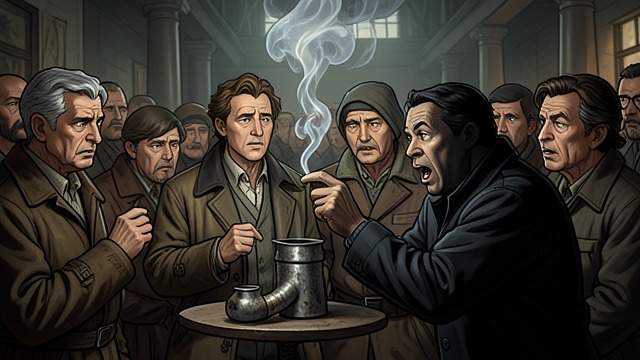
Unreliable Knowledge
The Voice of Report
Rumour calls itself a pipe that anyone can play, carrying suspicion and conjecture across the country. It openly admits that it can spread falsehood more readily than verified fact.
A Dramatic Warning
Its speech teaches the audience to treat news as a force that shapes events, not just a description of them. In the play's political world, belief can move armies before truth arrives.
Bardolph's Secondhand News

A Report Without Witness
Victory Announced
Lord Bardolph tells Northumberland that the king and the prince have been defeated. When asked how he knows, he admits that another gentleman supplied the account.
Authority Borrowed
The report sounds confident, but its source is distant and unnamed. The exchange shows how certainty can be performed even when no witness has verified the event.
Travers's Contradiction
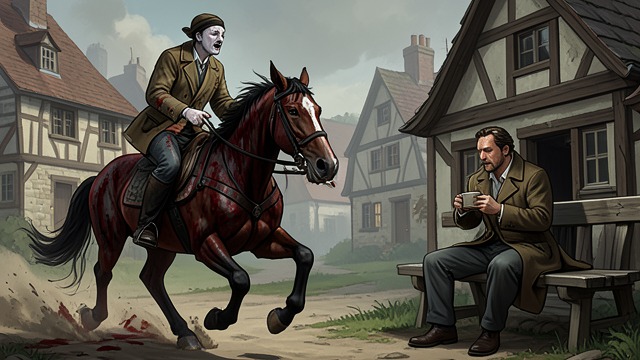
Evidence Arrives Unevenly
A Traveler's Warning
Travers recalls a bloodied rider who said the rebellion had gone badly and Harry Percy's spur was cold. The rider's vivid urgency competes with Bardolph's reassuring account.
A Choice of Belief
Bardolph dismisses the stranger, and Northumberland searches for reasons to reject the warning. The competing stories reveal that political knowledge is filtered through hope and loyalty.
Morton's Verified Account
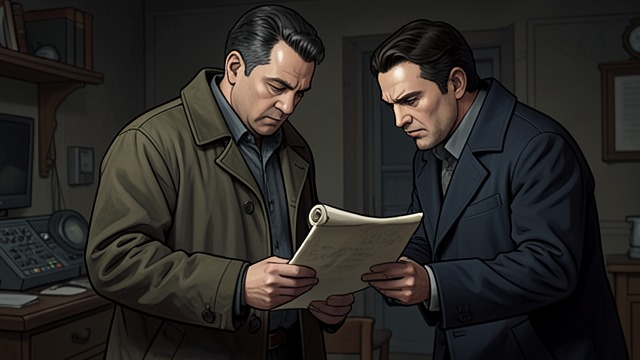
The Cost of Certainty
Events Described
Morton gives a detailed account of Harry Percy's death, the retreat, and the capture of rebel leaders. His direct report settles the question that rumor left open.
Truth Too Late
The accurate account arrives only after false hope has shaped Northumberland's emotional response. Verification matters, but it cannot restore what was lost while belief remained uncertain.
Rumour Enlarges an Enemy
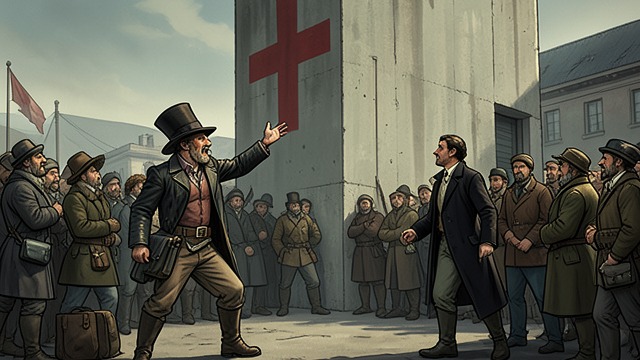
Fear Multiplied
Inflated Numbers
The king hears that the Archbishop and Northumberland have fifty thousand supporters. Warwick cautions that Rumour magnifies the numbers of those who are feared.
Knowledge and Rule
A ruler must act without complete information, yet fearful exaggeration can distort the scale of danger. The scene returns to Rumour's opening warning from within the machinery of royal government.
Before the first act's events at Warkworth
When Lord Bardolph reaches Warkworth
Shortly after Bardolph's report
When Morton reports the battle's outcome
During King Henry IV's night council
